
 Industry News
 Industry News
Many unexpected failures on hydraulic machinery, such as unstable pressure, sticking spools and excessive oil temperature, stem from hidden contaminants inside hydraulic tubing. During tube prefabrication, new machine assembly or equipment overhaul, welding slag, mill scale, built-up sludge and rust particles keep adhering to inner tube walls. Circulated by hydraulic fluid, these hard contaminants continuously abrade pumps, seals and hydraulic valves, accelerating component wear and raising costly unplanned downtime.
Traditional cleaning methods including acid pickling, high-pressure water flushing and long-duration oil loop flushing have well-known drawbacks. They often fail to fully clean bent sections, risk tube corrosion, leave residual water inside pipes, generate hazardous waste and take considerable working hours. The AM-2 CKIT pneumatic tube cleaning kit from APS tube pneumatic cleaning delivers a dry physical cleaning solution powered by compressed foam pigs, ideal for pre-treatment, on-site maintenance and pre-assembly cleaning of hydraulic pipelines.
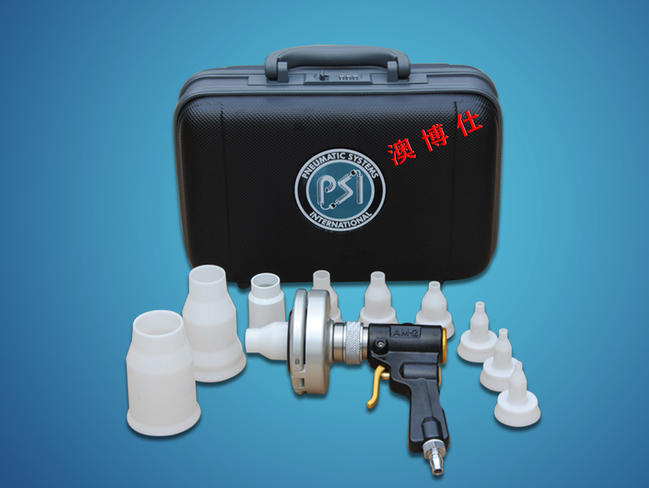
AM-2 CKIT Full Packing List
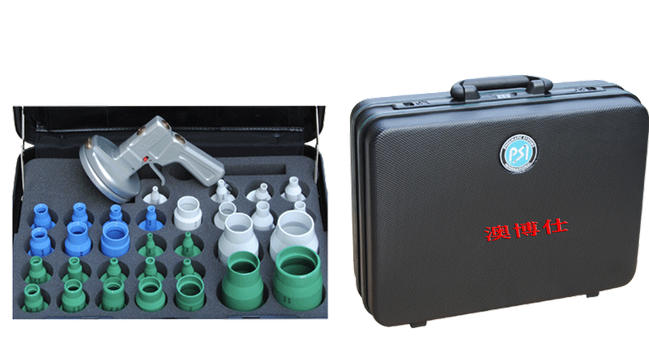
All accessories are neatly stored inside a compact portable hard case, ready for immediate operation right out of the box:
The complete set of HN series nozzles covers the most commonly used hydraulic hard tubes and high-pressure hydraulic hoses. Quick-change nozzle design allows fast switching between different tube sizes on site. Its compact carrying case makes it easy to transport to pipe workshops, mobile machinery service jobs and hydraulic station retrofit projects.
Clean compressed air acts as the driving source. Operators select properly sized foam pigs according to tube inner diameter and feed them into the pipe inlet via the AM-2 cleaning gun. The foam pig has a slightly larger outer diameter than the pipe bore. Once inside, it is compressed against the tube wall and rotates forward, scraping away stubborn grease, rust and welding residue by pure mechanical friction.
Thanks to flexible material properties, foam pigs smoothly travel through 90° elbows, U-coils, tees and reducers before exiting from the opposite end for recovery. The whole process runs dry, with no water injection or chemical detergents required. Cleaning results are intuitive: you can instantly judge the cleanliness level of the pipeline by checking how dirty the retrieved foam pig is.
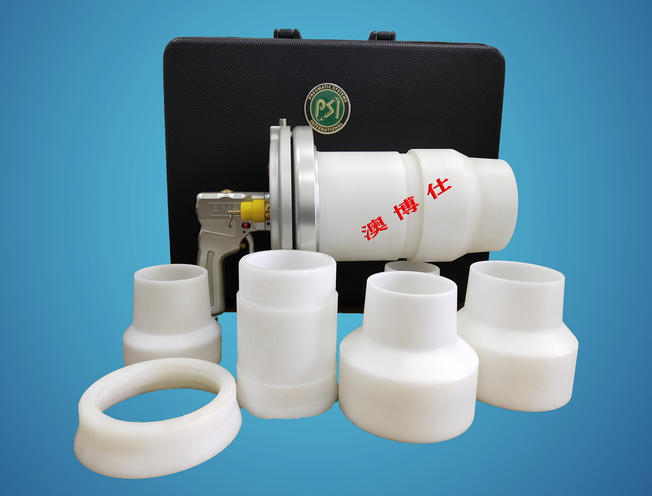
Key Advantages
✅ Wide size coverage for versatile hydraulic pipe jobs Ten nozzles span the 6–50 mm range. One single kit handles most hydraulic steel tubes and braided high-pressure hoses, removing extra costs for additional adapters. Fast nozzle swap enables high throughput during batch cleaning work.
✅ Dry physical cleaning protects pipe substrates No acid or corrosive chemicals are involved, and no residual water remains after cleaning. It safely works on precision cold-drawn stainless steel tubing, hydraulic hard pipes, rubber high-pressure hoses and aluminum alloy lines without scratching thin-walled pipe interiors. Post-cleaning drying steps are eliminated, completely preventing hydraulic fluid emulsification and component rust triggered by trapped moisture, helping users meet strict NAS cleanliness standards.
✅ Flexible pig passes complex pipe geometries Unlike high-pressure flushing or oil circulation cleaning which struggle to reach deep inside bends, foam pigs follow the pipe route seamlessly. Sludge and welding debris accumulated in elbows, coils and small connecting lines around valve assemblies can be stripped out, cutting solid particle contamination at the source of the hydraulic circuit.
✅ Lightweight, portable and single-person operation The complete kit features a small footprint and lightweight gun body. It works with standard industrial air compressors and has minimal site restrictions. It suits prefabricated pipe cleaning in hose factories, as well as field service for tunnel boring machines, mining equipment and farm machinery hydraulic overhauls, cutting equipment downtime significantly.
✅ Flexible consumable selection with lower long-term cost Foam pigs are available in standard, abrasive and heavy-duty grit versions for light oil film, thick sludge and heavy rust respectively. Intact pigs can be recovered and reused multiple times. Compared with chemical cleaning and continuous oil circulation flushing, it brings better cost control over repeated cleaning tasks.
✅ Eco-friendly workflow with reduced environmental compliance pressure Only solid debris is removed during cleaning. No sewage or spent acid waste is produced, so supporting wastewater treatment facilities are unnecessary. It easily satisfies factory environmental control regulations.
⚠️ Safety reminder: Wear safety goggles throughout operation. Never point the pipe outlet toward personnel. Stabilize air compressor pressure and firmly anchor both pipe ends to prevent whipping hazards.
Pre-production cleaning of hydraulic steel tubes and high-pressure hoses; overhaul cleaning for construction machinery, TBMs, mining equipment and agricultural machinery; hydraulic station and machine tool / marine hydraulic system retrofits; heat exchange tubing and small-bore lubrication line maintenance.
Stable hydraulic performance starts with clean internal pipe surfaces. The compact AM-2 CKIT kit from APS tube pneumatic cleaning provides a low-cost, highly mobile dry foam pigging solution for small-bore hydraulic tube cleaning. It suppresses contamination at the source, reduces hydraulic system failure rates and extends the service life of your whole hydraulic equipment.
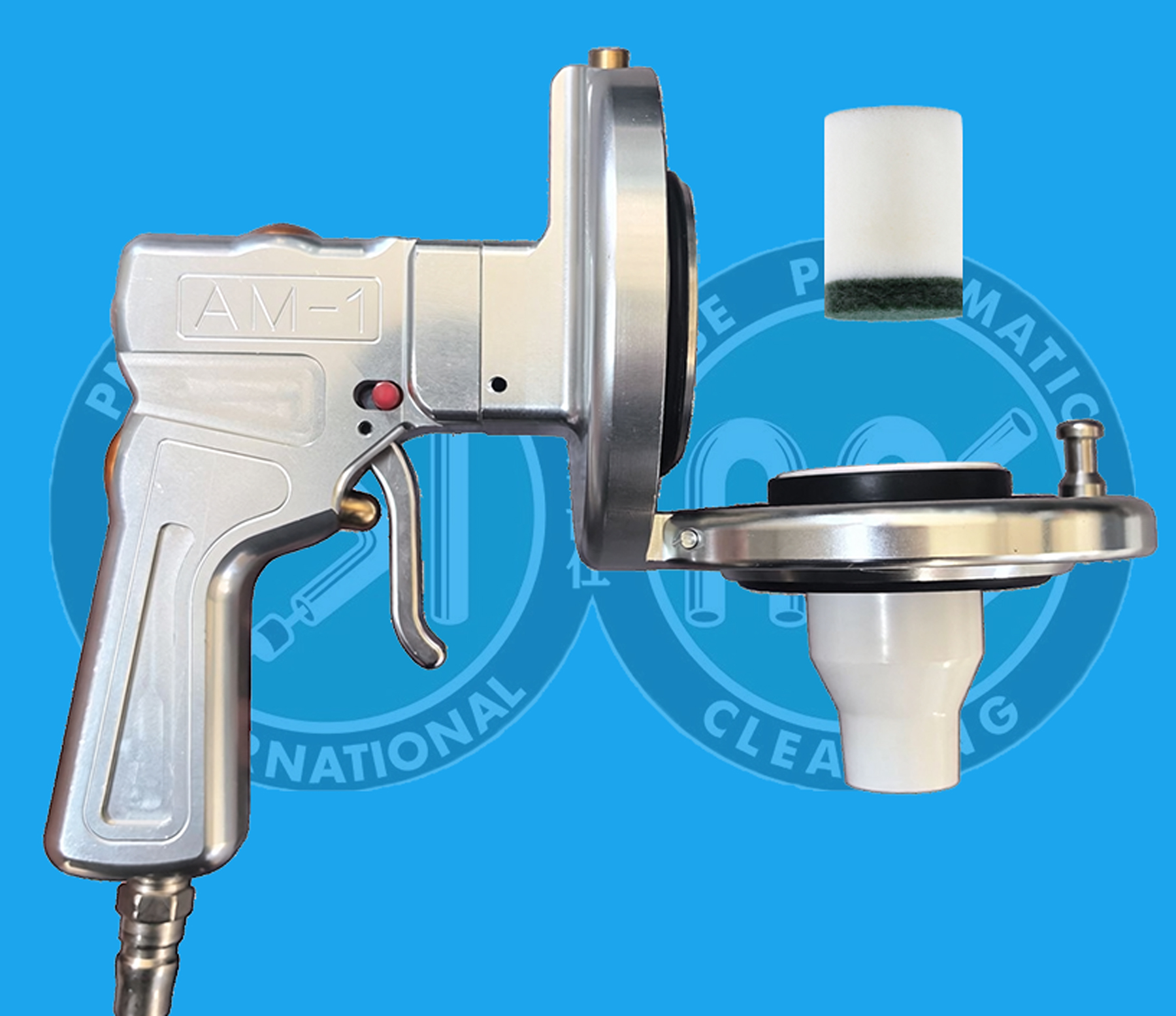
APS AM-1 FKIT Dry Foam Pig Kit | Multi-Standard Hydraulic Pipe Pneumatic Cleaning
APS AM-2 CKIT Dry Foam Pig Kit | Hydraulic Tube Pneumatic Cleaning
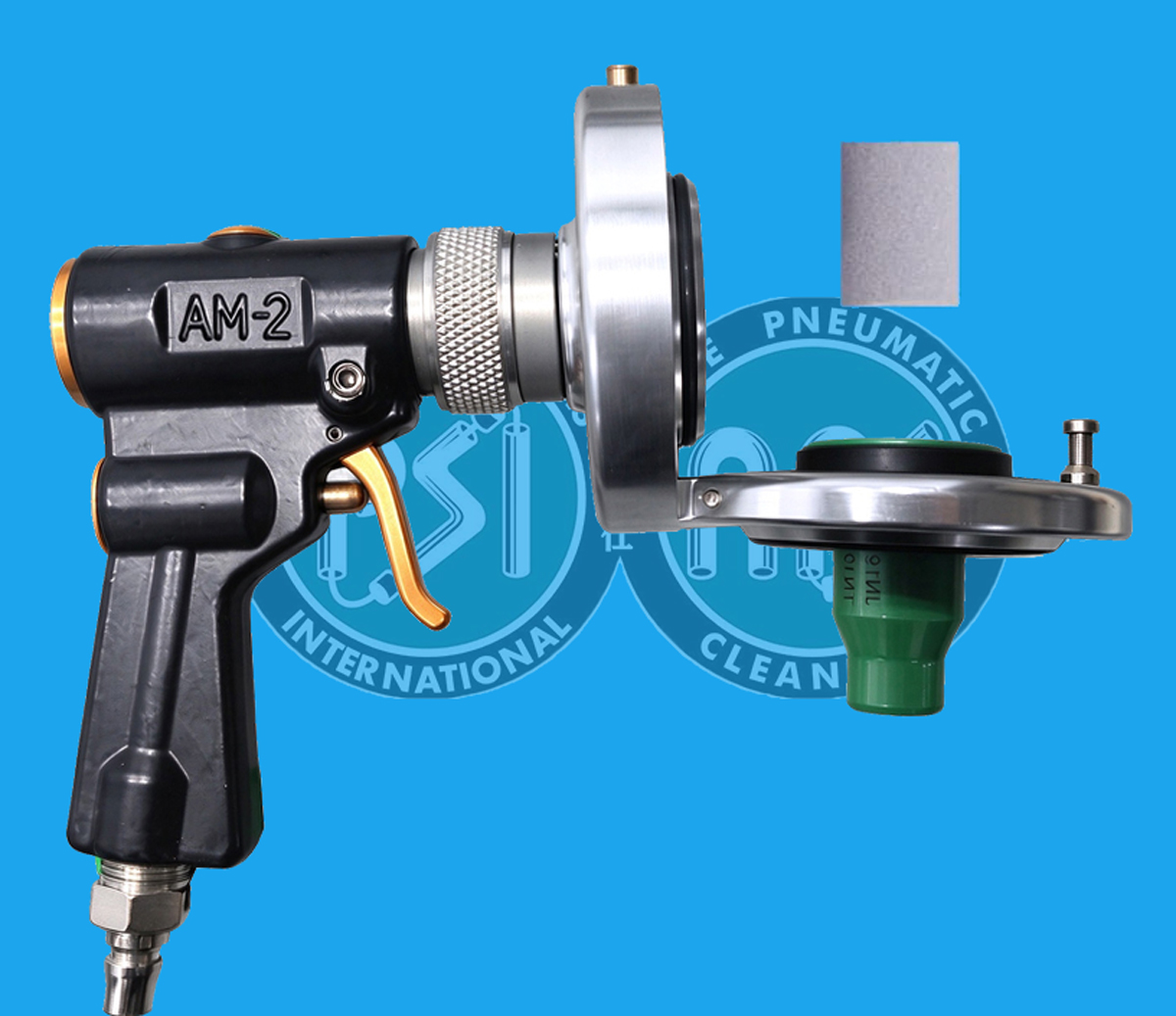
APS AM-2 Pneumatic Pipe Cleaning Gun: Efficient Internal Cleaning for Bent Metal Tubes in Hydraulic, Construction Machinery & Aerospace
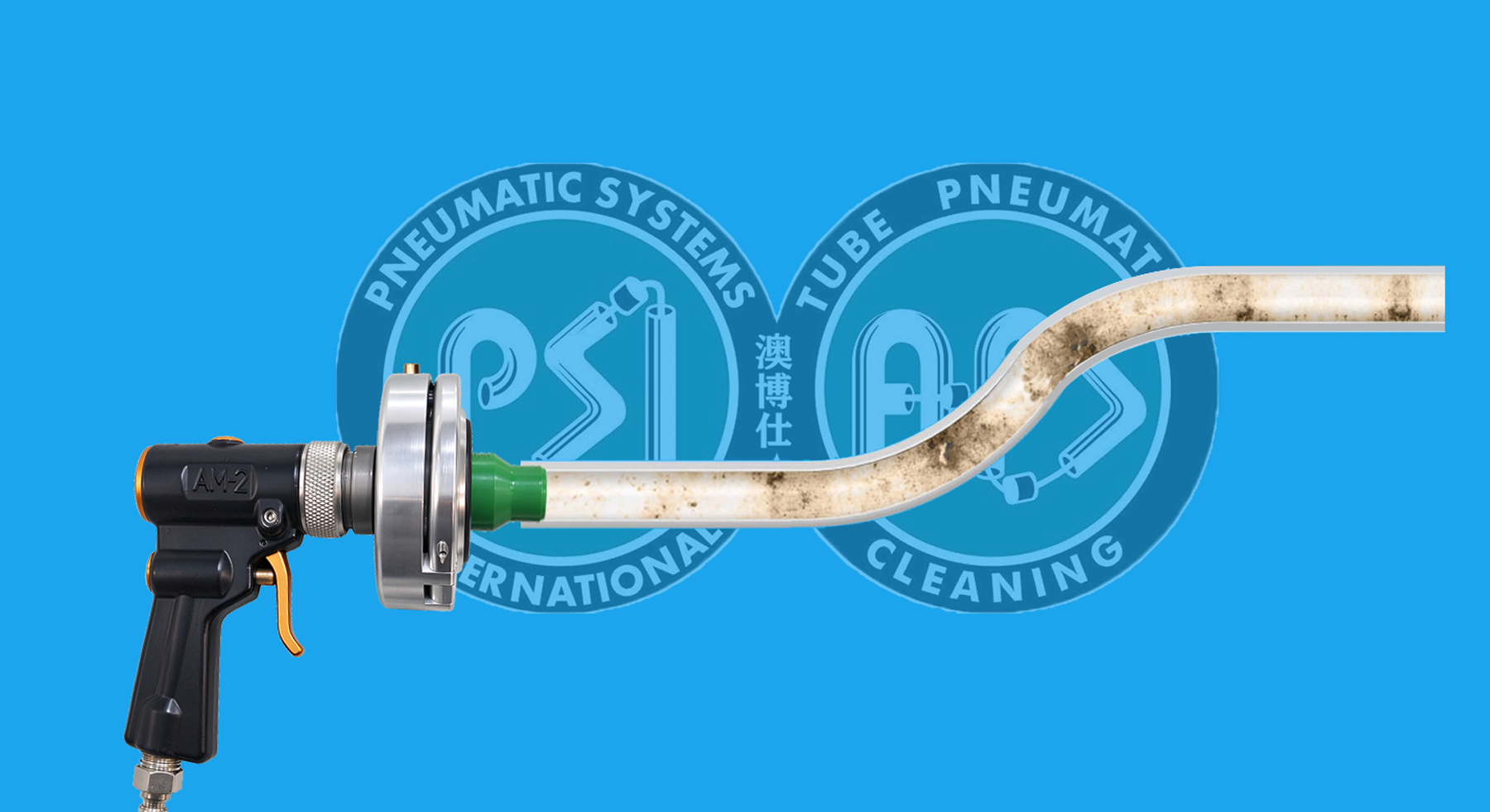
APS AM-2 Pneumatic Pipe Cleaning System: Dry Physical Cleaning Solution for Ultra-High-Precision Aerospace Pipelines
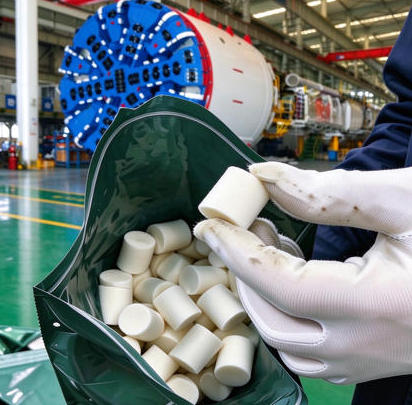
Hydraulic Pipe Cleaning for Shield Machines: Engineering Application & Value Analysis of APS AM-2 FKIT Tube Cleaning Gun Kit
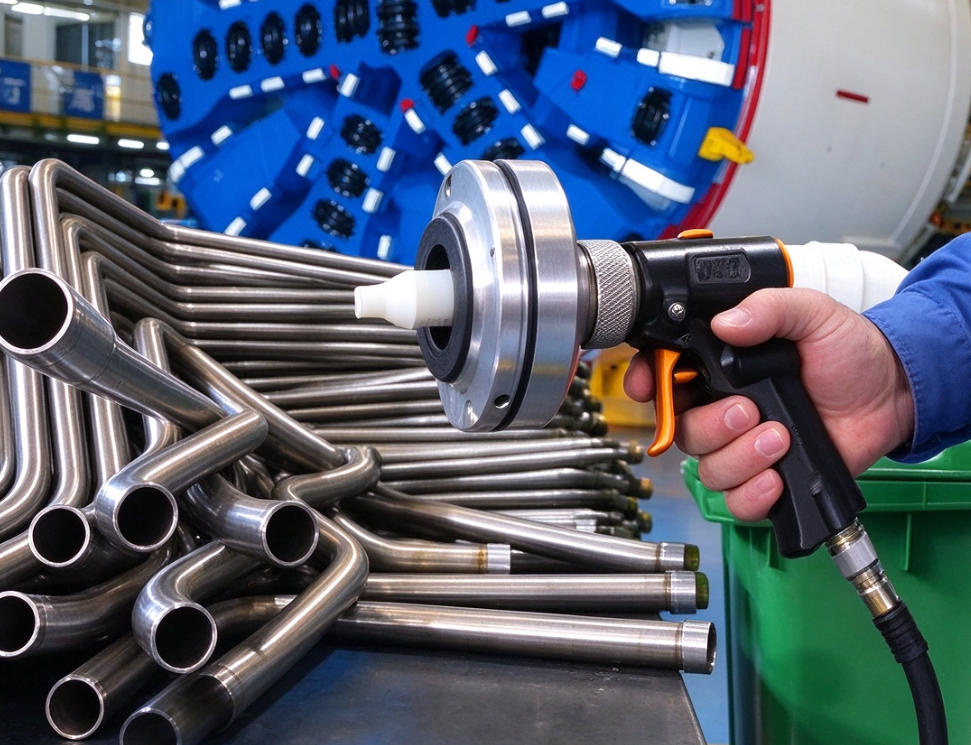
AM-2 Pneumatic Tube Cleaning Gun | Efficient Cleaning for Bent Steel Pipe Inner Walls, Eliminate Residual Contaminants in Tubing Lines
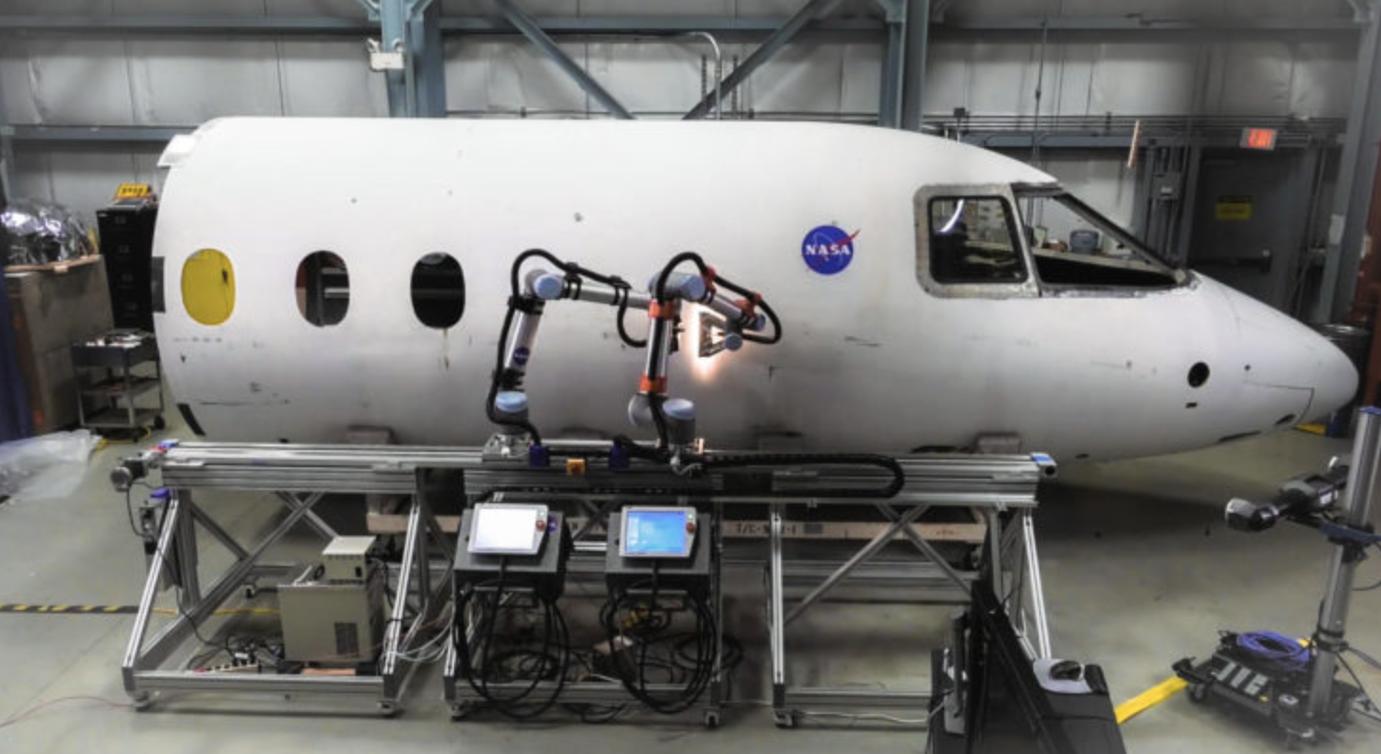
Rocket Precision Tube Cleaning: AM‑2 Tube Cleaning Gun Ensures Aerospace Pipeline Cleanliness
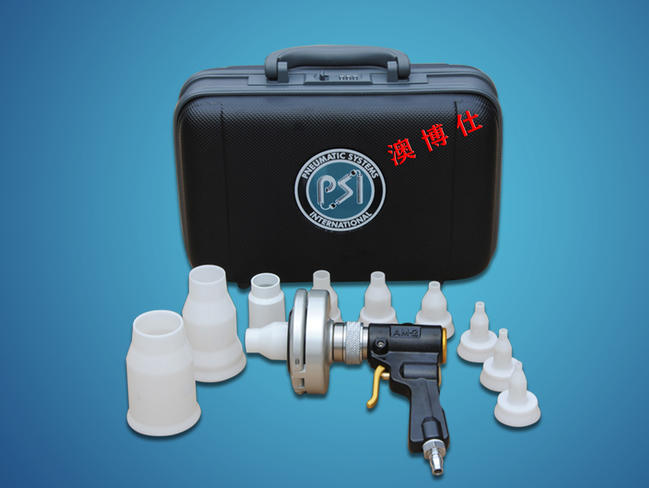
Features of PSI tube clean system

Scan code to add wechat